
Why is the fulfillment center in Mexico gaining popularity among DTC brands?

The rise of direct-to-consumer (DTC) brands has transformed the global eCommerce landscape. Faster shipping expectations, cross-border demand, and increasing logistics costs are pushing brands to rethink their supply chain strategies, as we saw in our article about poor fulfillment planning.
In this context, choosing the right fulfillment center has become a decisive factor for profitability and customer satisfaction. Over the past few years, Mexico has emerged as a strategic logistics hub for brands selling to both the United States and Latin America.
A fulfillment center in Mexico offers competitive labor costs, geographic proximity to major consumer markets, favorable trade agreements, and faster last-mile delivery across North America.
For DTC companies looking to scale without inflating operational expenses, this combination is especially attractive. In this article, we’ll explore why Mexican fulfillment centers are gaining momentum, what benefits they offer DTC brands, and how they compare to traditional U.S.-based fulfillment strategies.
What Is a DTC Brand?
First of all, a DTC (Direct-to-Consumer) brand is a company that sells its products directly to customers without relying on traditional intermediaries such as wholesalers, distributors, or brick-and-mortar retailers. Instead of placing products in large retail chains, DTC brands use their own websites, online marketplaces, and digital channels to manage the entire customer journey, from marketing to checkout to post-purchase support.
This model has gained significant traction over the past decade, largely driven by the growth of eCommerce platforms like Shopify and Amazon, which make it easier for emerging brands to launch and scale online. Social media platforms such as Instagram and TikTok have also enabled brands to build communities, run targeted ads, and generate direct sales without retail gatekeepers.
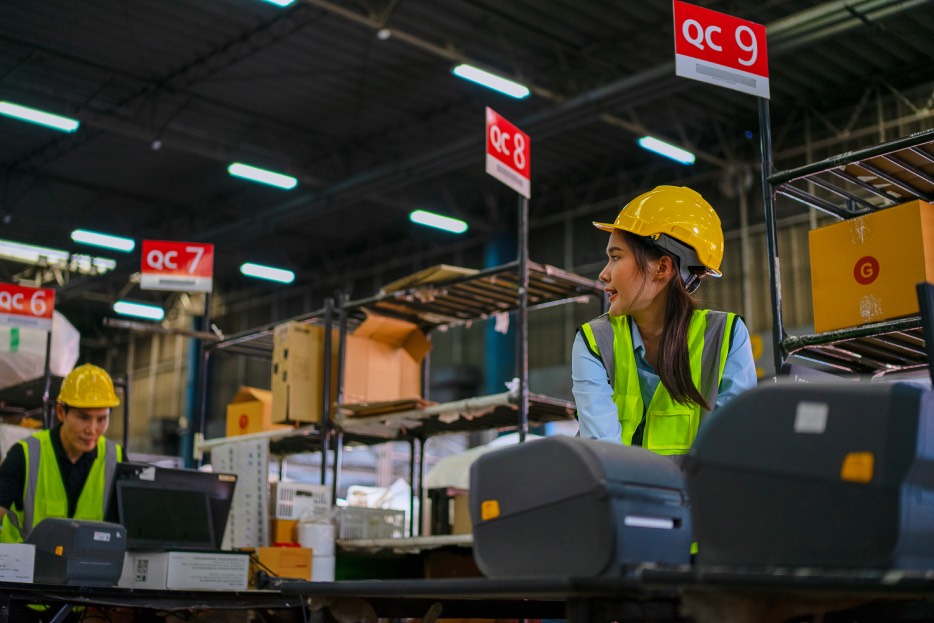
The growth of DTC brands and the need for smarter fulfillment
As we mentioned in the introduction, over the last decade, DTC brands have experienced explosive growth, reshaping how products are marketed, sold, and delivered.
Powered by digital advertising, social commerce, and accessible eCommerce platforms, thousands of emerging brands have entered the market with leaner structures and stronger direct relationships with customers. What once required large retail partnerships can now be achieved through targeted campaigns on platforms like Meta and Google, combined with optimized online storefronts.
However, this rapid expansion has created new operational challenges. As customer expectations continue to rise, logistics has become a central competitive factor. Consumers now expect two- to three-day delivery as a baseline, largely influenced by the fulfillment speeds set by major marketplaces.
For growing brands, meeting these expectations while maintaining healthy profit margins requires more than basic warehousing; it requires a strategically located and technologically advanced fulfillment center.
At the same time, increasing storage costs, labor shortages, and higher shipping rates in the United States have pushed DTC brands to reconsider traditional logistics models. Relying solely on domestic warehousing can significantly impact cash flow, especially for small and mid-sized businesses looking to scale.
Key benefits of using a fulfillment center in Mexico
As DTC brands scale across North America, logistics decisions increasingly determine profitability and customer satisfaction. A strategically located fulfillment center in Mexico offers more than cost savings. Below are the key advantages driving brands to shift or expand their fulfillment operations south of the U.S. border.
1.- Reduced shipping costs and faster delivery times
Mexico’s geographic proximity to the United States allows brands to shorten shipping routes and reduce last-mile expenses. Instead of relying solely on coastal U.S. warehouses, companies can position inventory closer to major cross-border corridors, thereby optimizing transit times to key states such as Texas, California, and Arizona.
Lower labor and operational costs also translate into overall fulfillment savings. When combined with consolidated cross-border shipping strategies, brands can reduce per-unit logistics expenses while maintaining competitive delivery speeds.
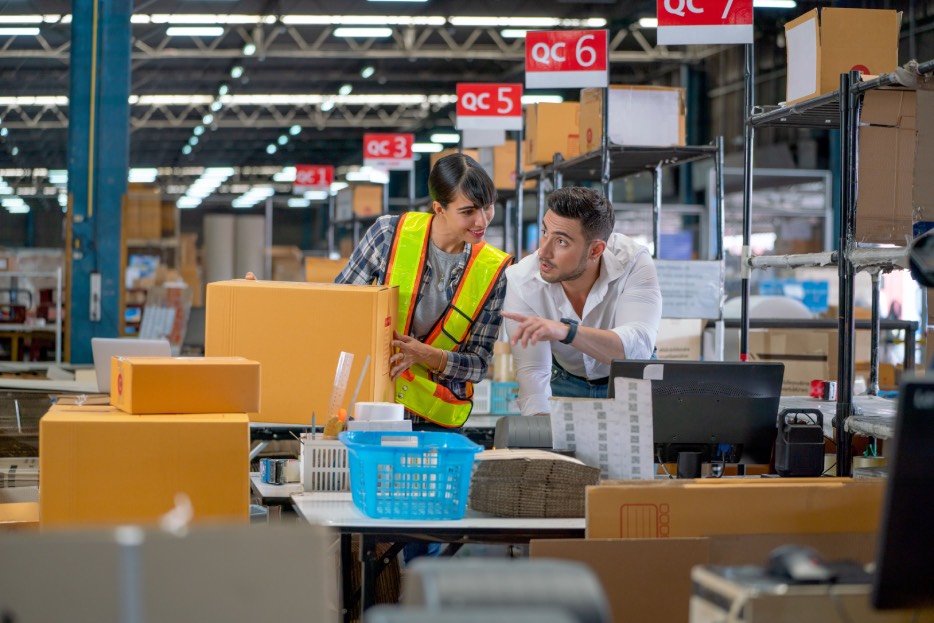
2.- Scalable operations for growing DTC brands
One of the biggest challenges for emerging brands is scaling logistics without overcommitting to fixed costs. A fulfillment center in Mexico often offers flexible warehousing models, allowing businesses to expand storage capacity during peak seasons and adjust during slower periods.
This scalability is especially valuable for brands experiencing rapid growth driven by paid advertising campaigns or marketplace expansion. Instead of investing heavily in infrastructure, companies can leverage third-party logistics (3PL) partners that already have trained staff, warehouse management systems, and established carrier networks in place.
3.- Improved inventory management and returns handling
Efficient inventory management is critical for DTC brands that rely on real-time data to forecast demand and prevent stockouts. Modern fulfillment centers in Mexico typically integrate with major eCommerce platforms, enabling synchronized inventory tracking and automated order processing.
Returns management can also be streamlined through centralized cross-border operations. By consolidating returns locally before redistributing inventory, brands can minimize reverse logistics costs and maintain better control over product quality and restocking processes.
4.- Bilingual support and local market expertise
Operating in Mexico provides access to a bilingual workforce familiar with both U.S. and Latin American markets. This cultural and linguistic advantage enhances communication across supply chain partners, customs brokers, and carriers.
Additionally, fulfillment providers with cross-border expertise understand regional compliance requirements, import/export documentation, and tax regulations. This reduces the risk of delays and penalties while ensuring smoother international transactions.
Now that you learned more about the importance of a partnership between a DTC brand and a fulfillment center, tell us what your doubts are. Don’t hesitate to contact us; a member of our team will be glad to assist you.